Scientific Research Examination
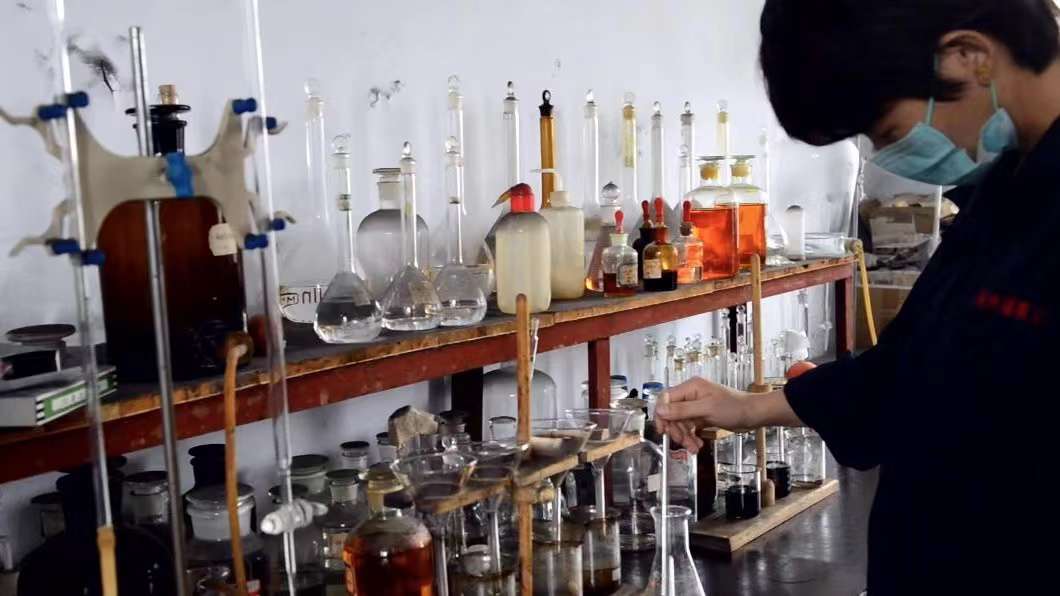
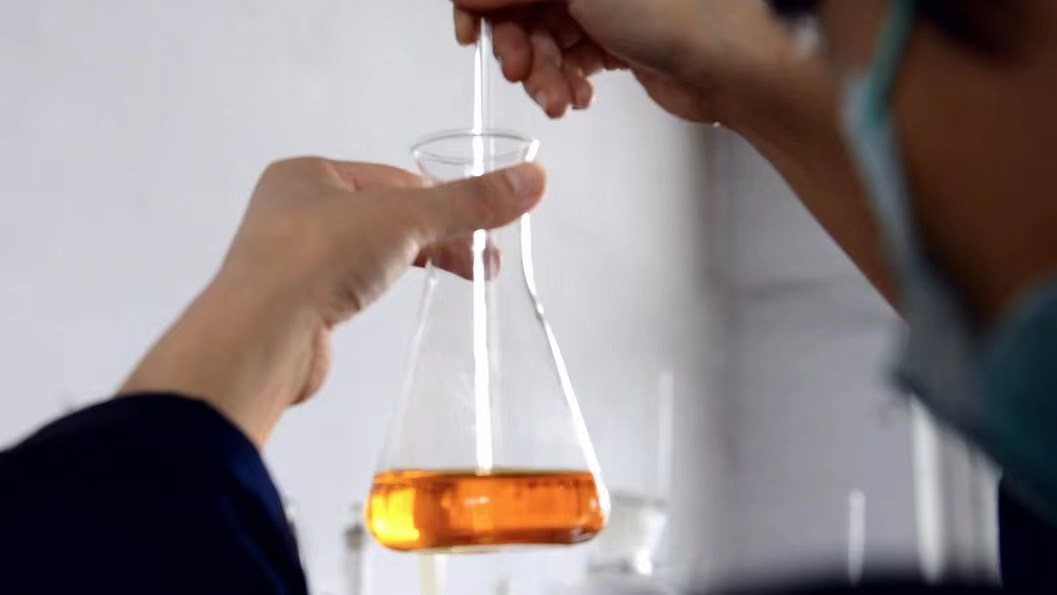
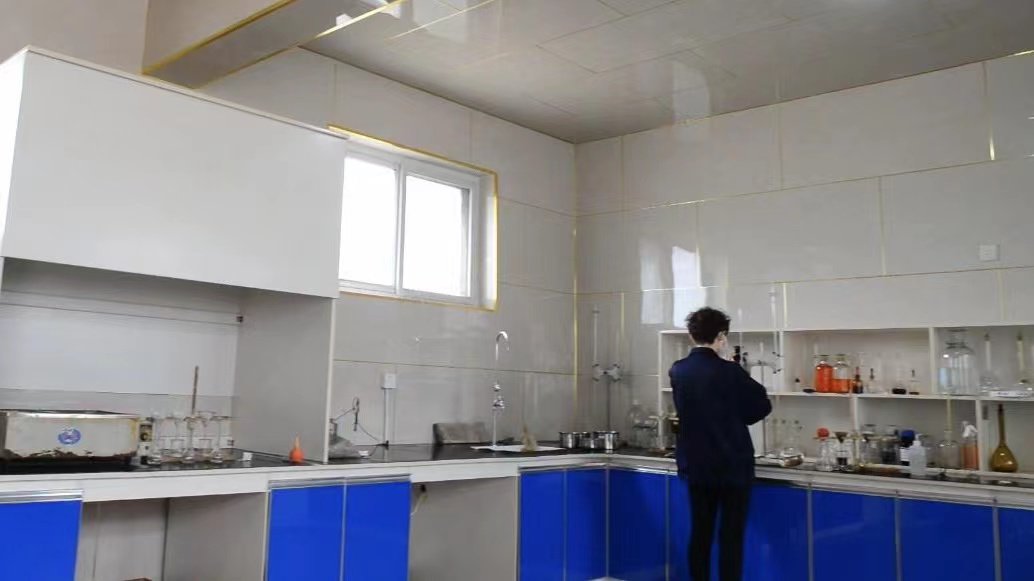
The FulviChina brand organic fertilizer plant features professional laboratories for studying new types of Fulvic Acid and Humic Acid products, as well as for quality testing and field tests. So far, we have created
Ultra-fine Humic acid powder series product
Ultra-dry humic acid Crystal product
Superb water solubility Potassium Fulvate product with high Fulvic acid and low impurity
Simultaneously, we can supply different formulation products to meet our customers’ needs in their organic fertilizer factories and projects.
Field Trials
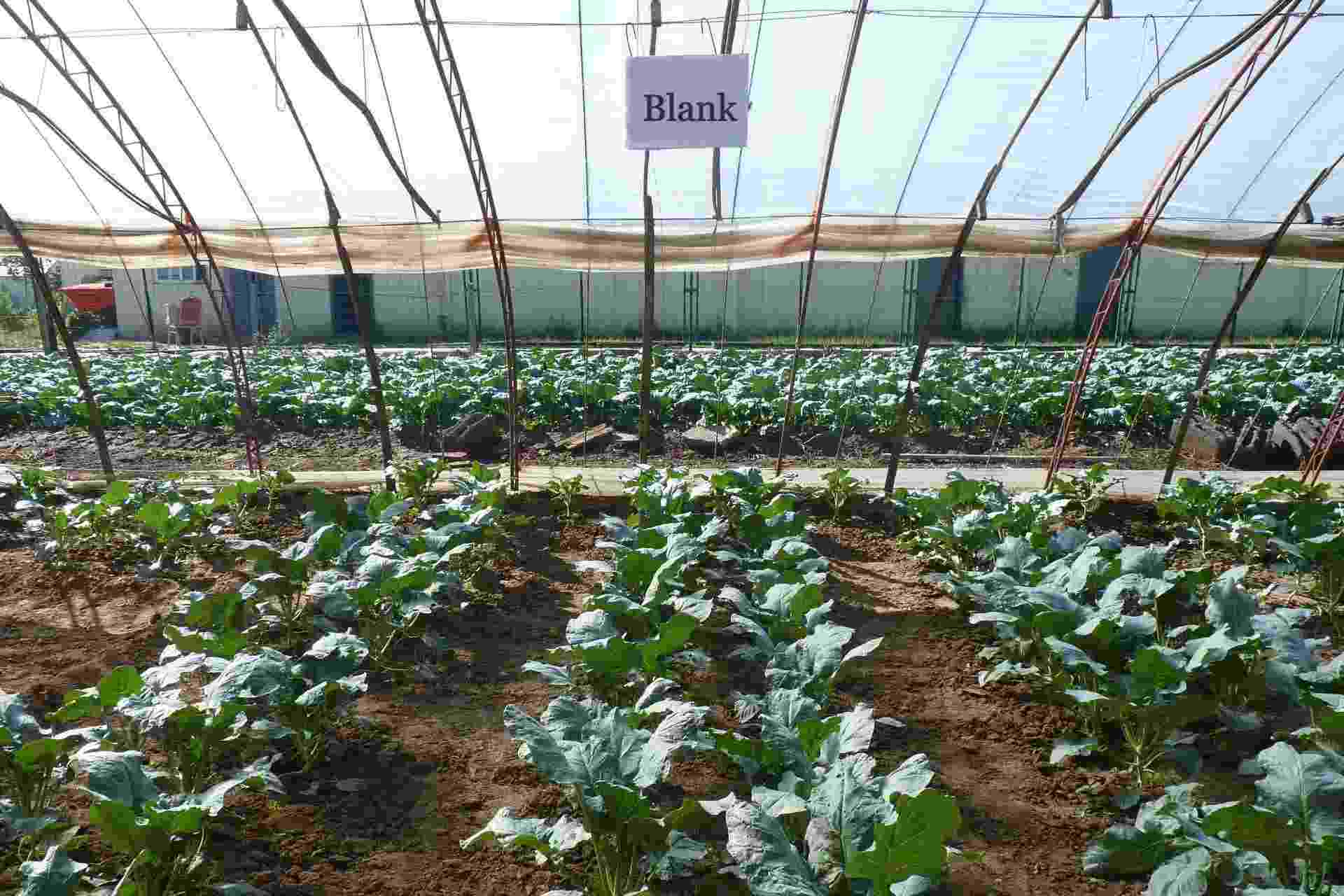
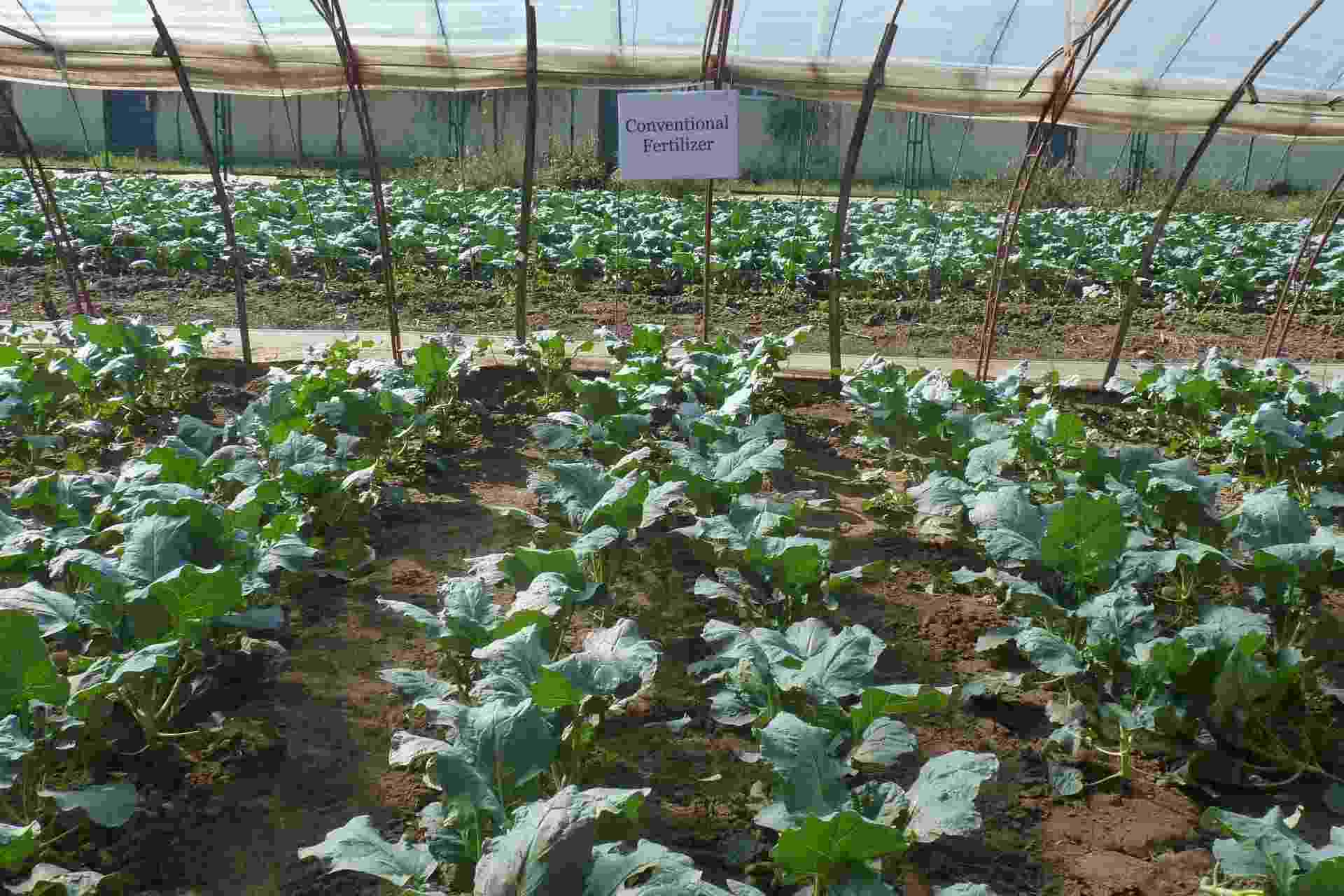
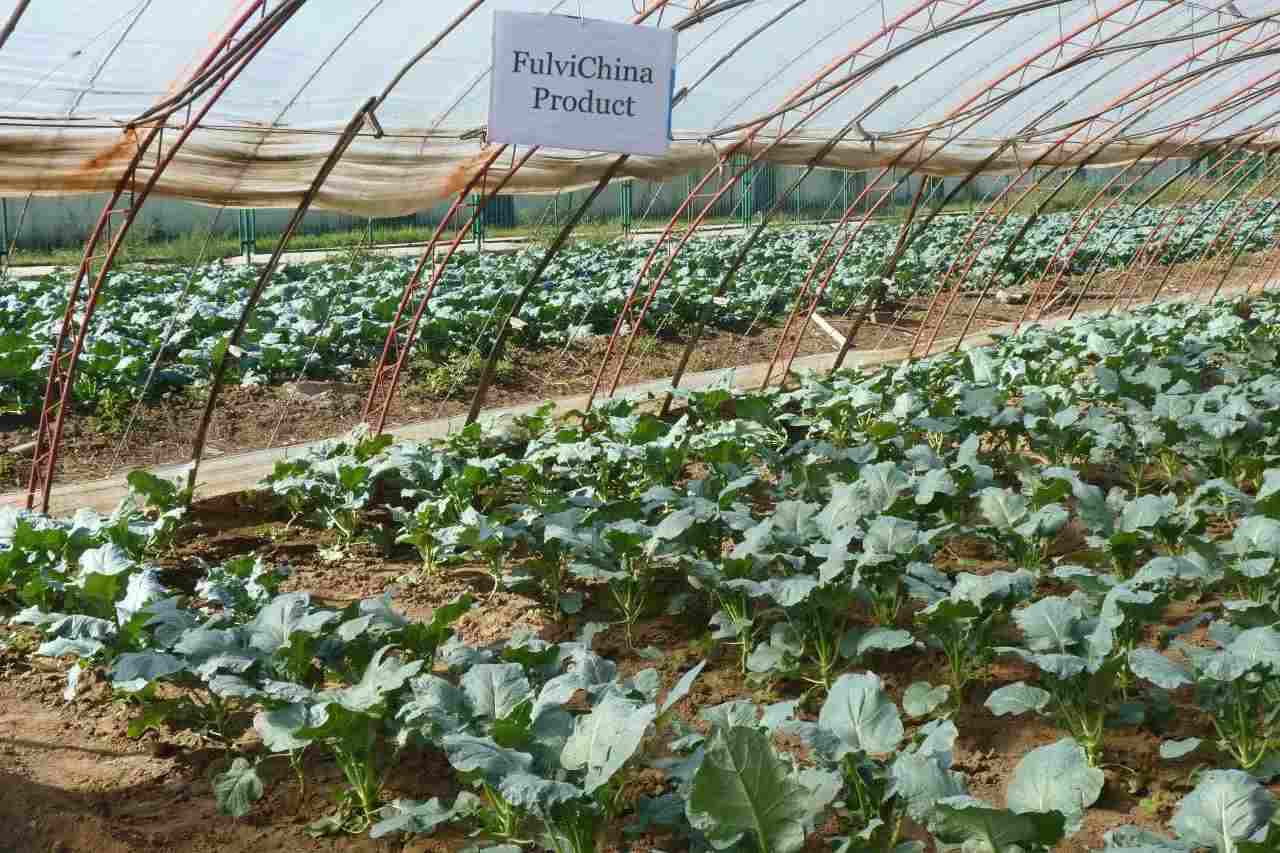
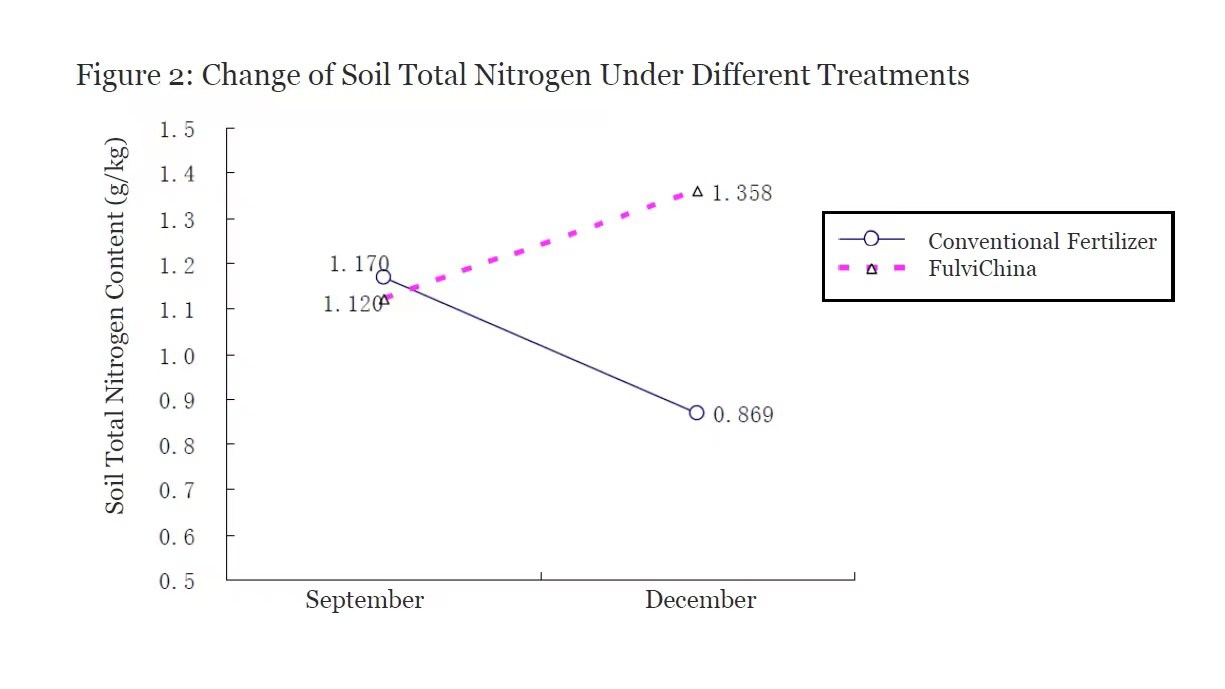
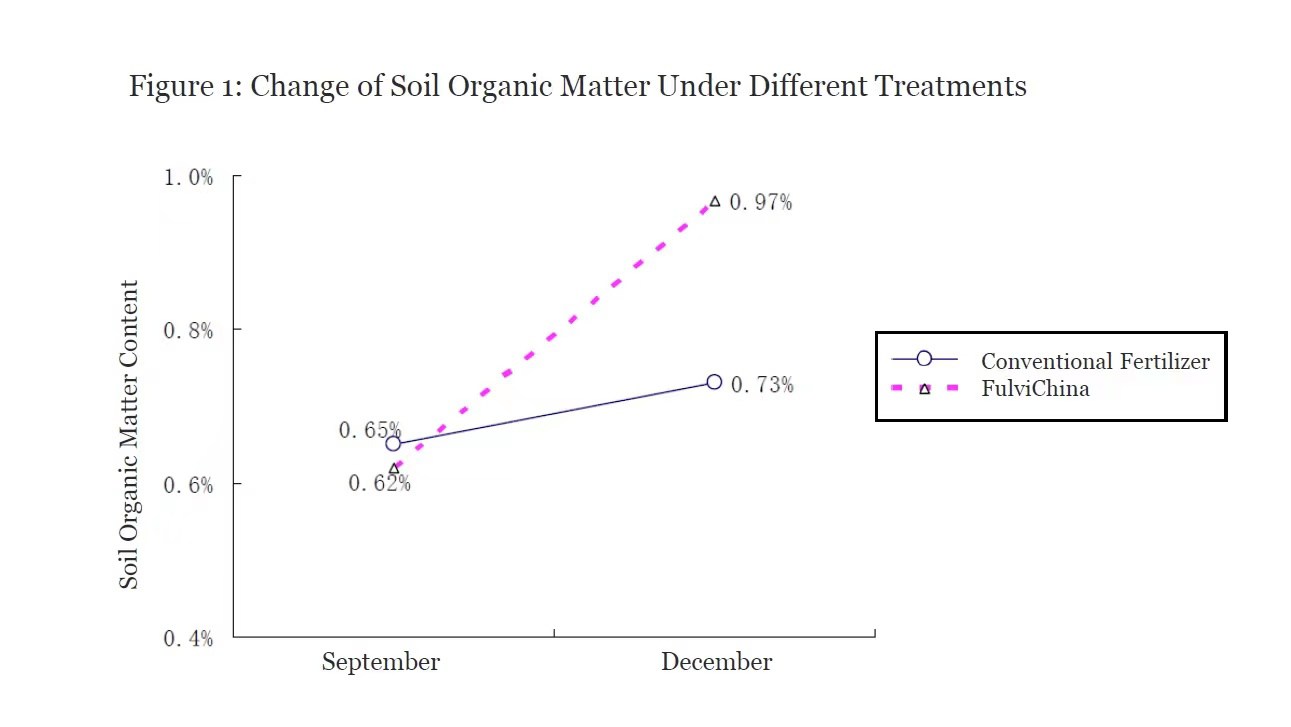
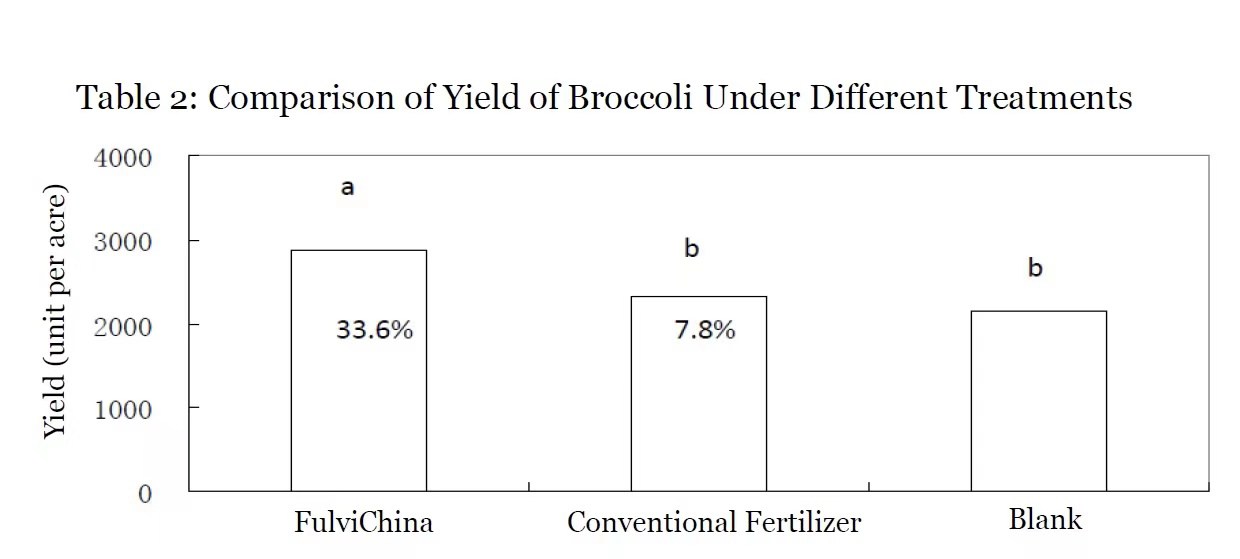
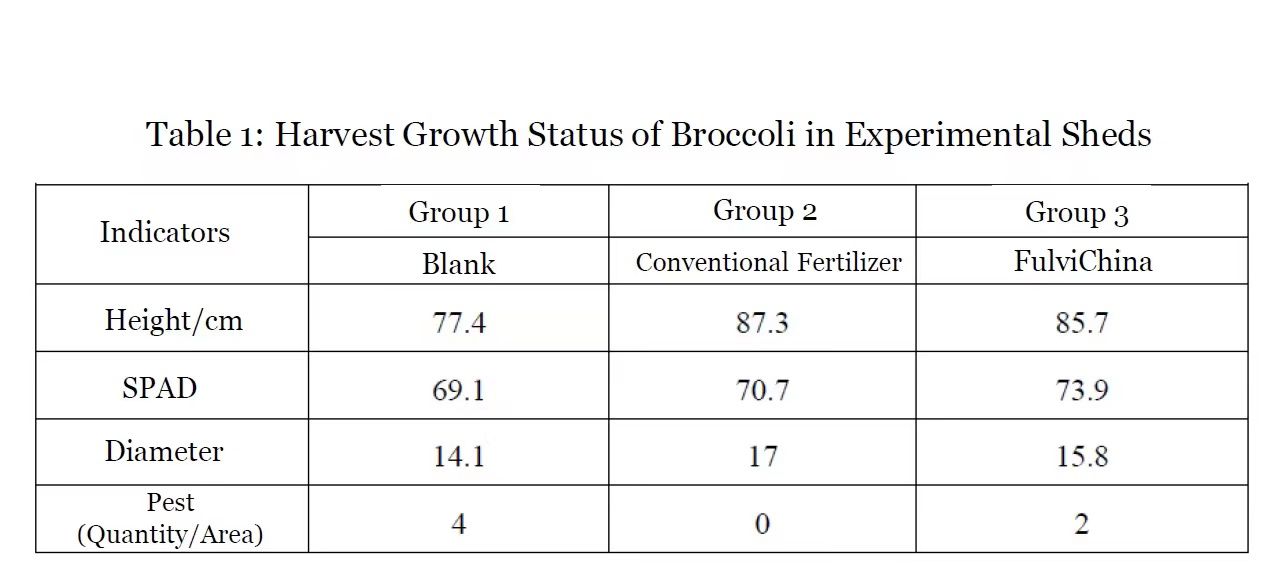
In cooperation with Tianjin Agricultural College, we conducted field trials (broccoli) on our new humic acid series products. After half a year’s experiment, the results showed that humic acid products were beneficial to crop growth, yield improvement, quality improvement and disease control. Compared with conventional fertilizer, the nutrient input was actually reduced by 30%, and the yield was not affected.
Furthermore, it has a considerable impact on the problem of soil compaction. The soil was substantially looser and easier to flow and absorb water, air, and nutrients in the test plots where we tried our products.
More significantly, the FulviChina organic fertilizer factory’s humic acid products have outstanding water solubility and compatibility and can be utilized with a variety of fertilizers. They are simple to use and inexpensive, which are preferred option for organic fertilizer plants and projects.
Bleeding Test
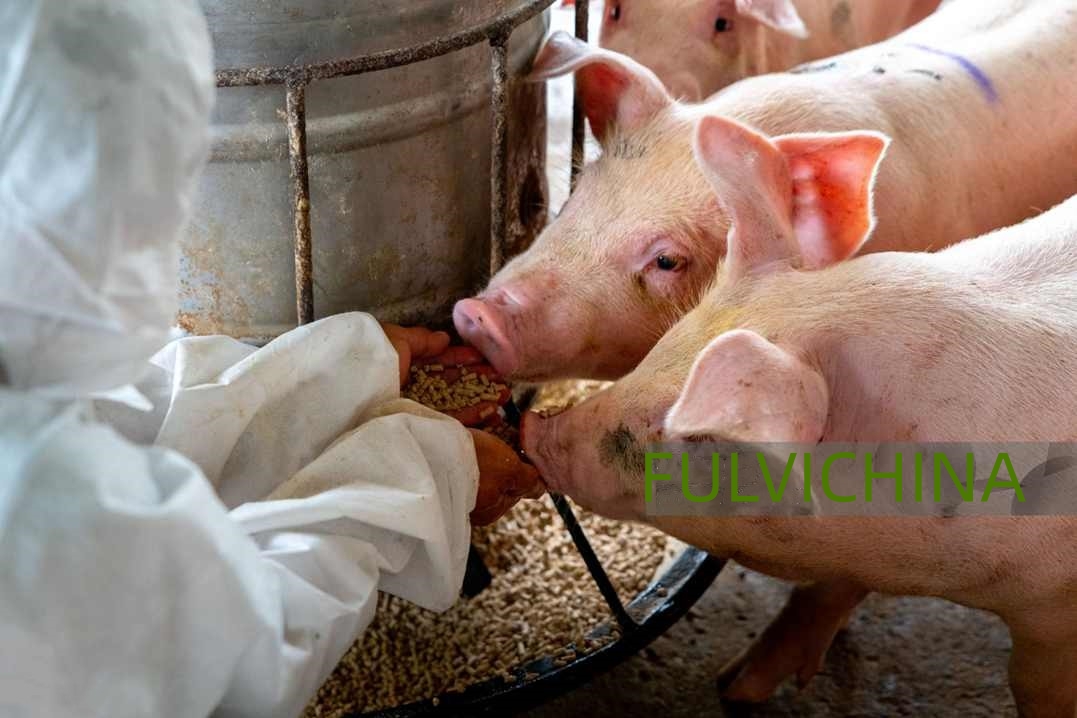
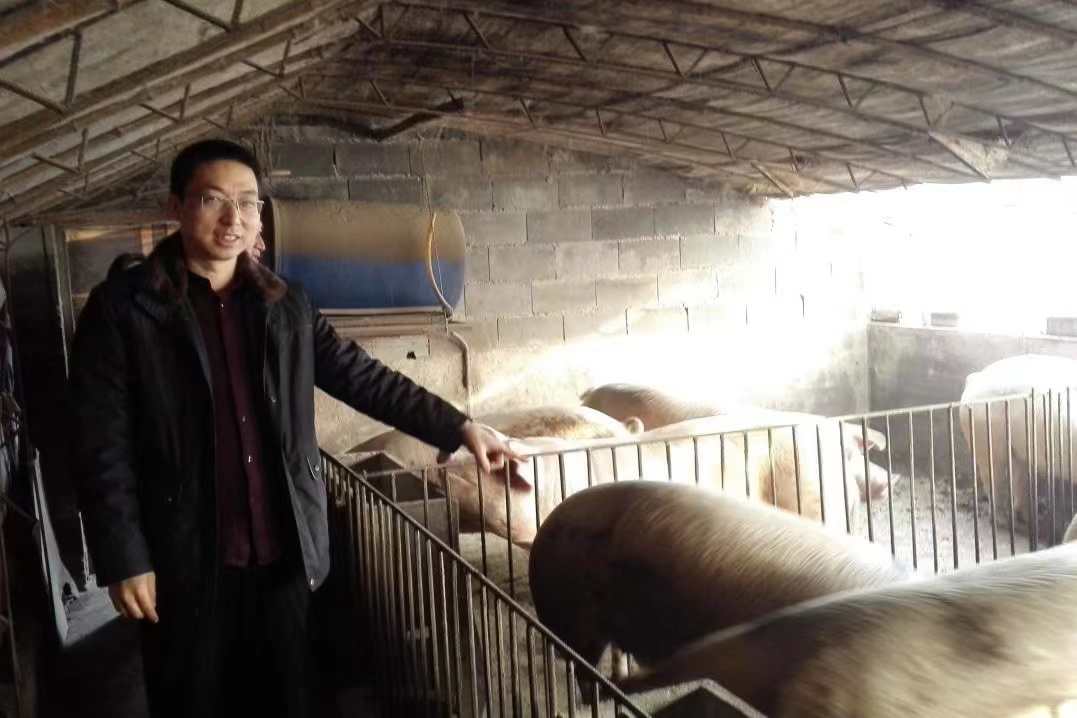
Our sodium humate and amino acid products are frequently utilized as feed additives in aquaculture. We collaborated with a farm to assess the FulviChina product’s performance, compared with traditional feed without our products as the additives. In the experimental group, every 1000 kg of feed includes 580 kg of corn, 200 kg of rice bran, 190 kg of soybean meal and 30 kg of additives (involving 5 kg of amino acid, 4 kg of sodium humic acid and 4 kg of salt).
Experiments have revealed that experimental animals are substantially heavier than control animals during the same growth phase. During the animal growing phase, the experimental group’s illness resistance was likewise much higher than the control group’s.
We compared the meat quality of the experimental group to that of the control group after the experiment, and it was likewise considerably superior to that of the control group.